KIEZWERKSTATT explores the urban environment by looking into the historical and emotional layers of local neighborhoods. At the intersection of urban practice, memory studies, critical pedagogy, and spatial design, the project reclaims urban spaces as sites for collective knowledge-making, public co-presence, and everyday togetherness. KIEZWERKSTATT is based in Wedding, Berlin.
why this work, why here and now
KIEZWERKSTATT grew out of a question we kept returning to: how can cultural work happen in a city without depending on the institutions that usually frame it? Much of what gets called participation in the cultural sector is shaped by funding cycles, expert hierarchies, and the boundaries of what an institution can host. We wanted to test a practice that activates spaces directly, treats everyday life as a legitimate source of knowledge, and stays open to contradiction, fragmentation, and the unfinished as part of the method.
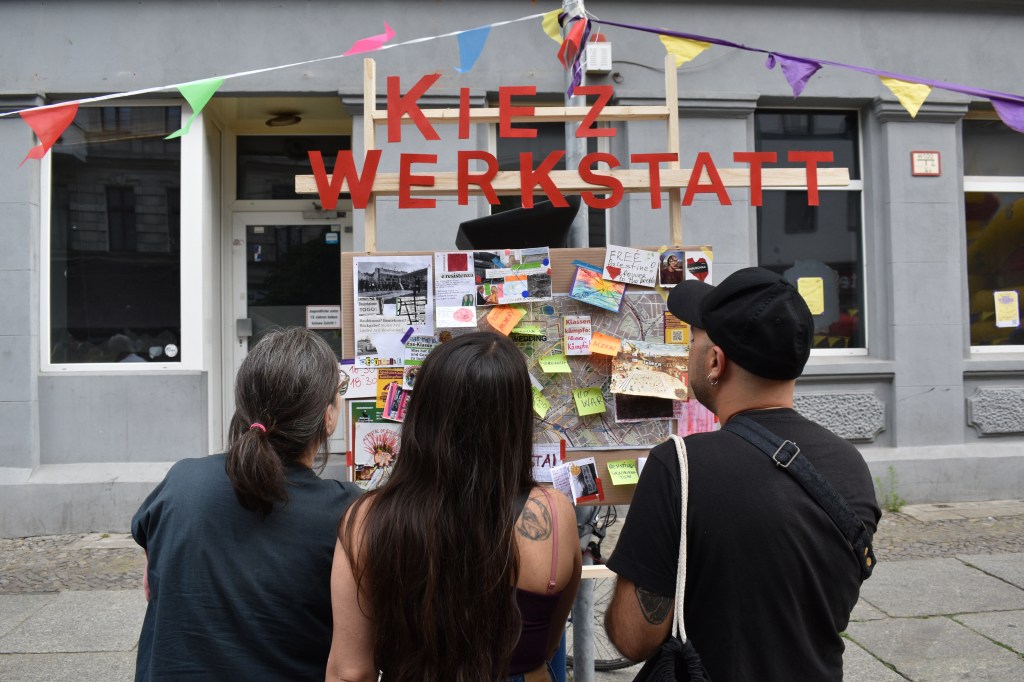
how can cultural work happen in a city without depending on the institutions that usually frame it?
We approach the city as a layered, living material: shaped by buildings, routines, silences, and the stories it tells about itself. Its knowledge can be revealed by unsettling established narratives and forming new solidarities. We’re interested in forms of knowledge that are usually dismissed or tokenized by dominant urban politics: moments of presence, drawing, storytelling, memory fragments, overheard speech, and embodied experience. We work with these forms of knowledge because we believe they have the power to create more just, situated, and pluralistic ways of living together.
We work primarily in Wedding, Berlin because it’s where we live, and because the district makes the questions concrete. It’s a place marked by visible transformation, gentrification, and the coexistence of different communities: a context in which cultural work is never neutral, and where the line between participating in a neighborhood and acting on it has to be drawn carefully and often.
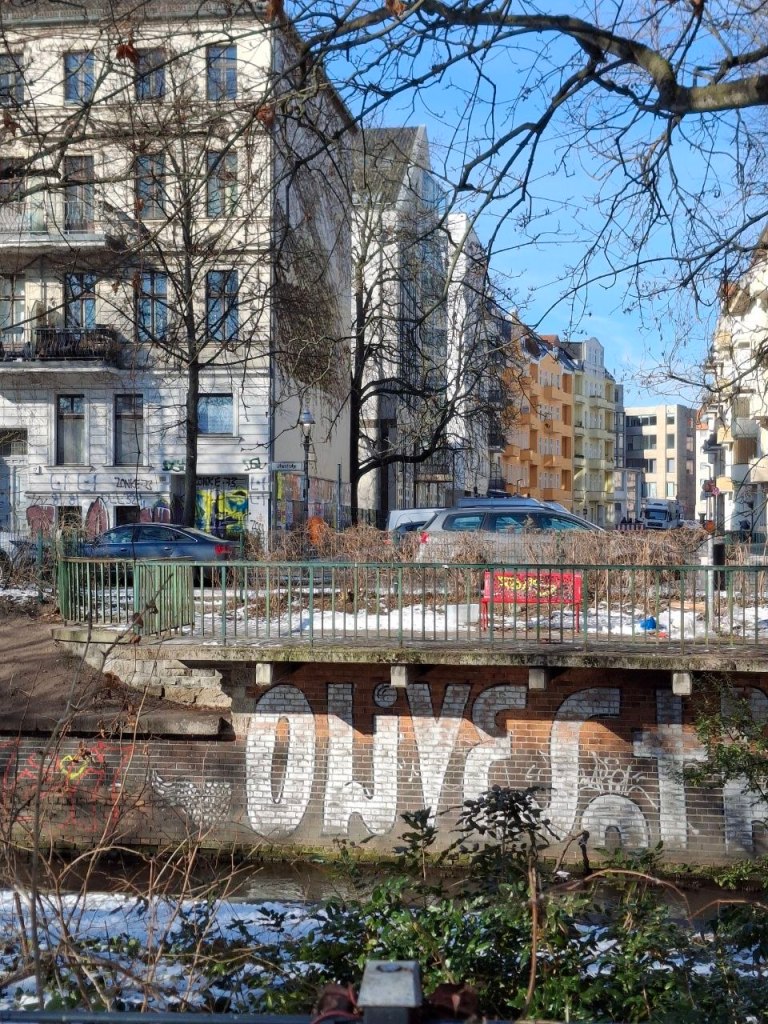
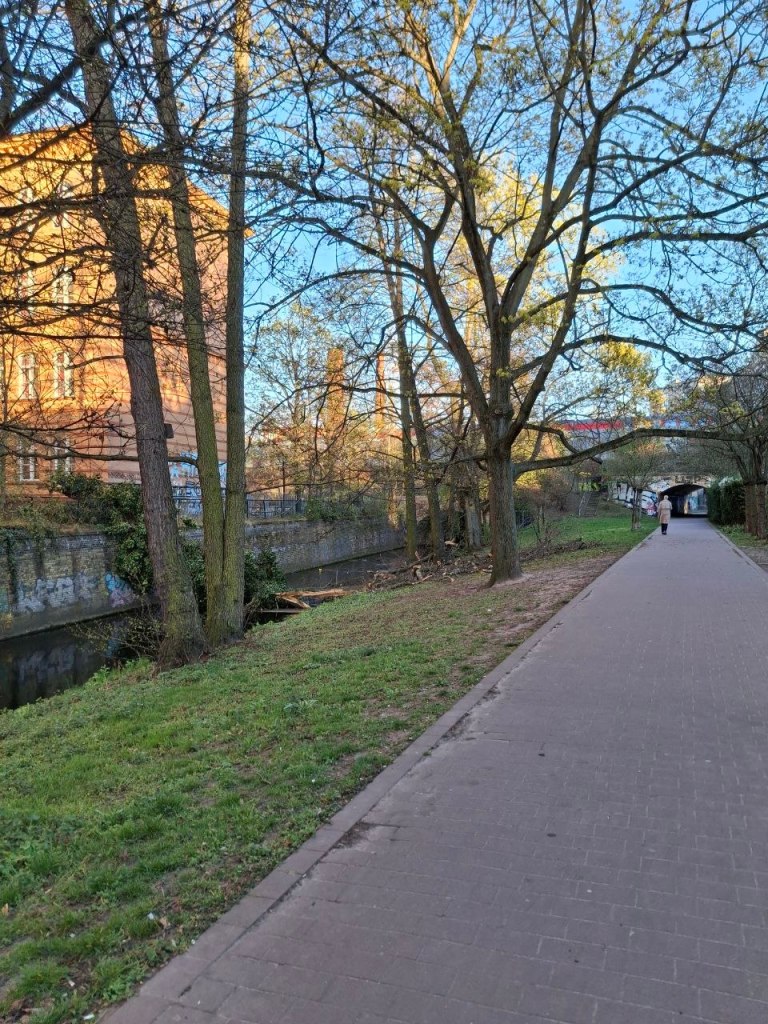
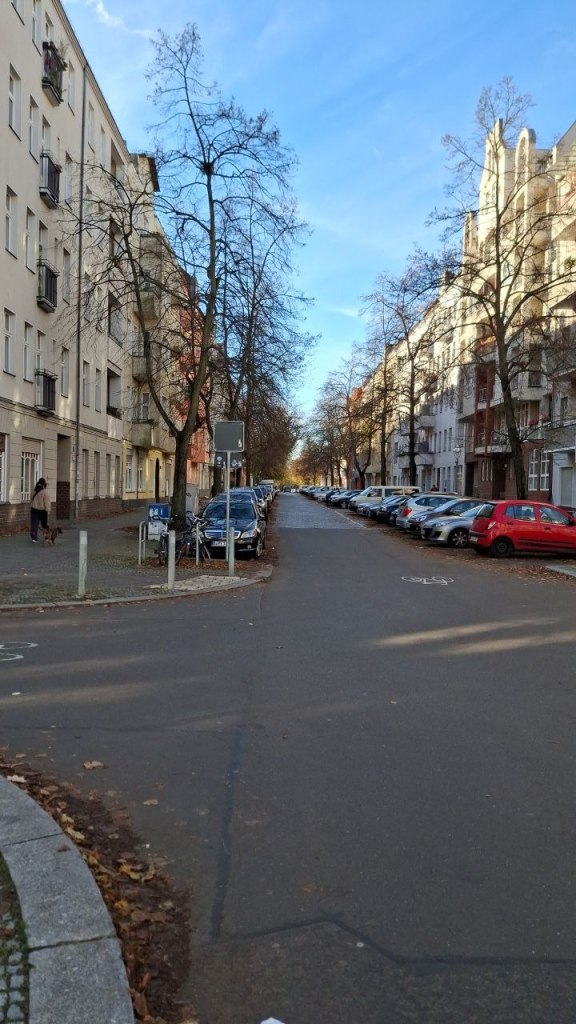
Our work is inspired by our diverse backgrounds and focuses on ethnographic sensitivity, spatial storytelling, and informal pedagogy. We’re interested in memory as something embodied, contested, and multisensory, shaped by movement, tension, and the negotiation of space. This project attempts to make visible, and touchable, the kind of knowledge formed through informality, improvisation, and doubt.
why this name & where it comes from
The word Werkstatt (workshop) names a way of working: learning by doing, experimenting in practice rather than starting from theory. The name also picks up a specific lineage: the History Workshop movement of the 1970s and 80s reclaimed history from professional historians by making it something people could research and tell collectively, in their own neighborhoods. We take up that gesture, while remaining critical of its blind spots, including its Eurocentric and hierarchical assumptions. We work with different tools and each tool is a way of asking a question and seeing what comes back. Every iteration teaches us something about what the tool can hold, what it can’t, and what to try next.
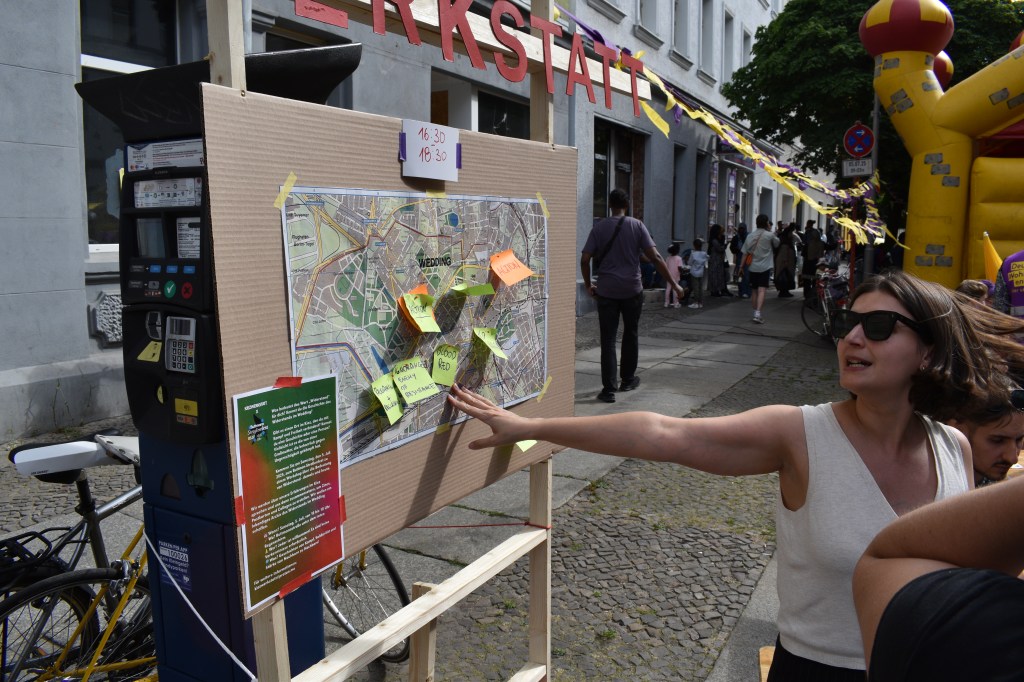
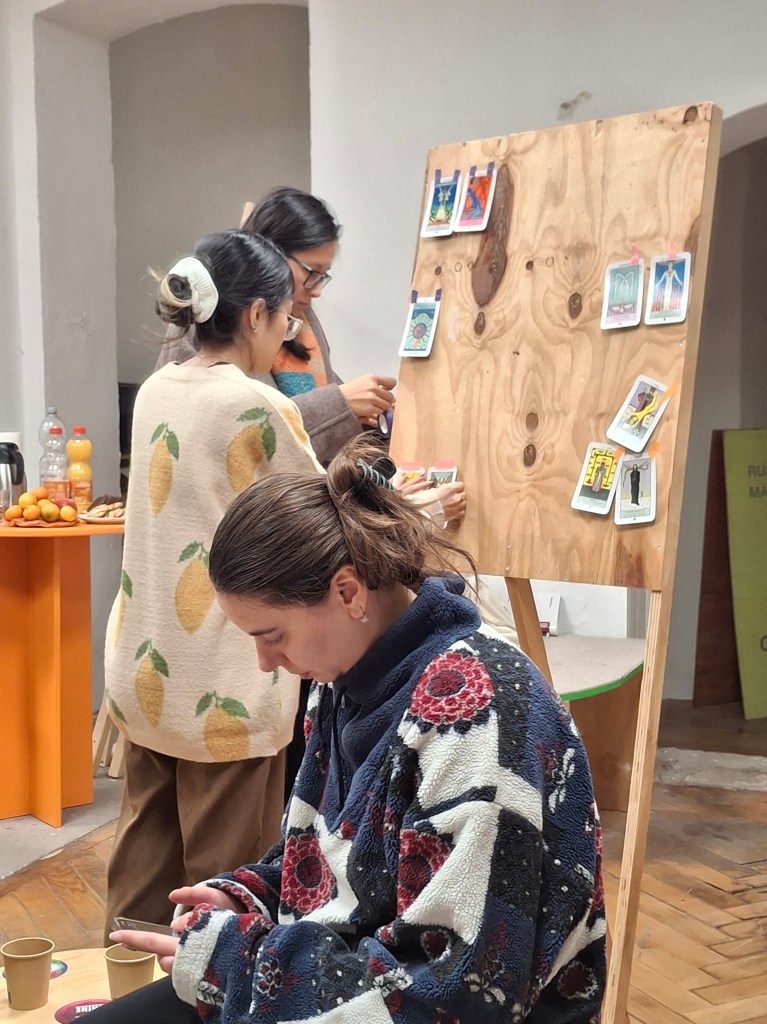
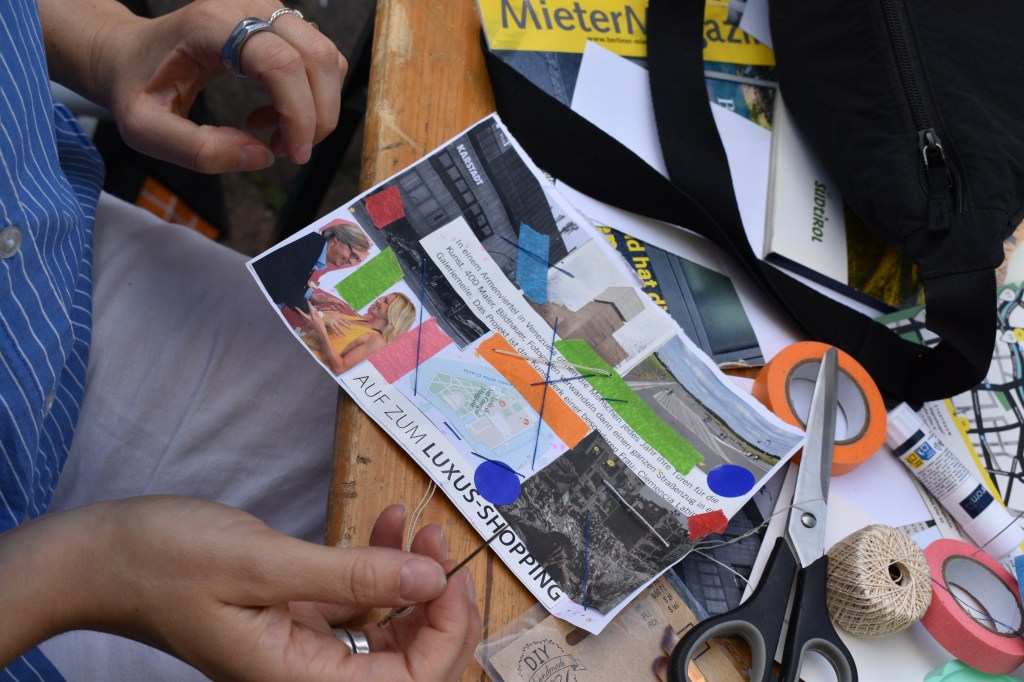
how we’re holding it together & our methods
KIEZWERKSTATT changes shape from one intervention to the next, with different sites, different topics, and people in the room. What stays consistent is a set of principles that hold the project together across iterations. These principles are both operational and strategic, determining how the project moves and what it stands for.
MOBILE AND ADAPTABLE. the project isn’t tied to a venue. Its setup, its appearance, and its themes shift in response to where it lands and who it meets, while a consistent conceptual frame holds across each iteration. The project follows the situation, not the other way around.
SCALABLE AND REPLICABLE. each intervention adjusts in size and intensity, but the structure stays constant: a shared topic, guiding questions, material engagement, and an archival outcome. What we make is meant to travel beyond us – as a toolkit, not a signature – open to others who want to adapt it to their own contexts and questions.
INDEPENDENT AND SELF-ACTIVATED. we work without institutional cover, and that’s part of the experiment. KIEZWERKSTATT is also a way of testing what cultural work can look like outside funding cycles and established networks, and of making that path more visible for others who want to do something similar.
CO-EXPLORATORY AND UNFINISHED. we’re not delivering finished knowledge to an audience. Through low-barrier formats and conversations that unfold while making, we hold space for shared inquiry — where the fragmentary, the imperfect, and the not-yet-resolved are part of the value, not a problem to be smoothed over.
so where does it all happen?
What you see on this page is the result of a long process of thinking from when we first started imagining KIEZWERKSTATT to when we ran our first action. Some of that thinking has been settled, while some of it continues to evolve.
We work through open questions rather than fixed answers, such as questions about hierarchy and trust, how a project like this can grow without becoming institutional, and how to make visible the kinds of knowledge that usually go unrecorded. Each intervention is its own experiment that is partial and open-ended. What comes out of it feeds back into how we think about the next one.
To see how we applied our ideas to the world, check out Actions to take a look to our past and upcoming events. To dive into the research, process, meaning, notes, materials of our work check out our Archive.
 KIEZWERKSTATT